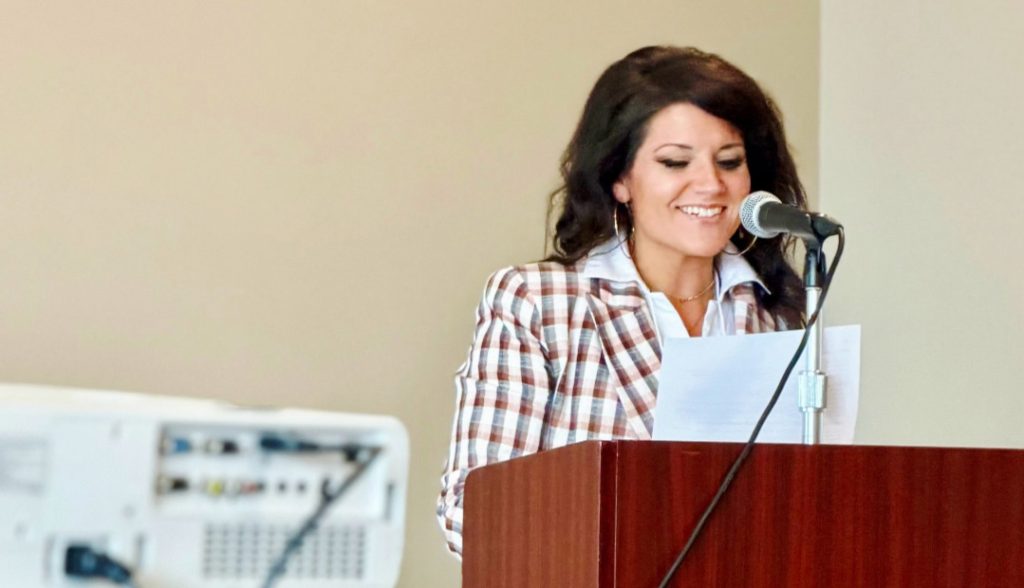
Carolyn Cole, Special Projects Manager
I have always admired the work of Community Development Corporations (CDCs) for bringing local residents and businesses together to undertake projects to develop and improve communities in sustainable ways.
They create and expand economic opportunities through real estate and small business development, asset building, community leadership, and inclusive engagement.
CDCs have the vision, understanding, and experience to foster community-centered neighborhoods through creative strategies and initiatives that are often missing from other development entities. I’ve also increasingly recognized how arts, culture, and creativity play an integral role in their property developments and community initiatives. Finding that initial spark of commonality is my starting point for pursuing meaningful partnerships.
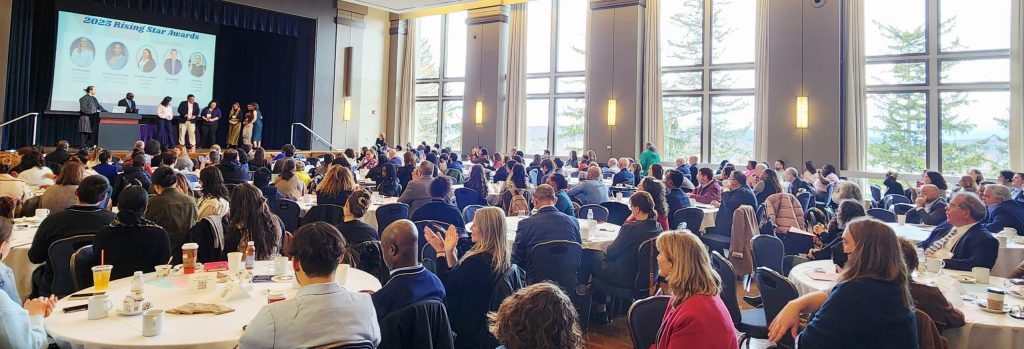
I reached out to the Massachusetts Association of Community Development Corporations (MACDC) to see if they’d be interested in exploring how Mass Cultural Council might work with them in support of our shared goals for vibrant communities. The result was the most welcoming conversation and an invitation for us to speak last month at their 2025 Annual Meeting during the ‘Community Building Through Arts & Culture’ session. (Download the slide deck.)
Through this session, we explored how arts and culture are central to how people connect, belong, and thrive within community development.
When CDCs embrace arts and culture strategies, they transform:
- Spaces into places,
- Residents into stakeholders, and
- Projects into movements.
These approaches open new doors for inclusion, investment, and identity.
Arts partnerships help CDCs tell the story of place – honoring history while inspiring future growth. Murals, performances, and creative programs invite residents to co-create their neighborhoods, building pride and trust that traditional development alone may not achieve.
At the same time, creative industries attract small businesses, generate jobs, and strengthen the local economy through design, tourism, and entrepreneurship.
Here in Massachusetts, we see this work so beautifully reflected when Main South CDC integrates public art into traffic calming interventions, merging design, safety, and community identity. Or when North Shore CDC’s “El Punto” Urban Art Museum spurs neighborhood pride and increases economic opportunity for local businesses, or connects with residents in meaningful and unconventional ways, such as with their ‘Casa de Abuela.’
The benefits are measurable. It has been reported that in lower-income neighborhoods, cultural resources are significantly linked to better health, education, and safety – including an 18% increase in high-performing students, and an 18% reduction in serious crime. When people engage in arts and culture, communities become healthier, safer, and more connected.
Nationally, we’ve seen that creative strategies address the heart of community development work – the human side.
From murals that heal, to design processes that empower, CDCs are using art to stabilize neighborhoods, prevent displacement, and build community wealth through shared ownership and trust.
Even the National Association of Realtors offers creative placemaking grants and resource toolkits, recognizing that art builds stronger markets, deeper relationships, and more vibrant communities.
At the state level, MassHousing is advancing this work through creative housing models including the Fitchburg Arts Community, offering 68 affordable units for artists, and Beverly Village for Living and the Arts, an intergenerational community with 91 units and a performance space. And their creative placemaking grants now help residents lead arts and culture projects that promote healing, belonging, and connection to place.
On our front, Mass Cultural Council’s Cultural Districts Initiative – launched by the legislature in 2011 – is helping cities and towns connect art and culture to inclusive economic growth. Today, we have 58 designated Cultural Districts – many of which were developed, and are now led or managed by local CDCs, because they understand how arts programming supports housing, small business, and civic engagement. These are the pivotal local partnerships that are fostering collective impact and preserving communities at a local level.
Mass Cultural Council also offers support for the work of CDCs through various outlets; whether through funding for creative experiences, support for cultural facilities, opportunities for youth and creative individuals, or through the work of our Tribal Cultural Councils and Local Cultural Councils – the largest grassroots funding network in the nation, issuing grants and providing connectivity in every city and town in Massachusetts for inclusive projects that benefit their communities.
When CDCs lead with creativity, they’re not just building affordable housing or commercial corridors – they’re building belonging.
They’re not just improving neighborhoods – they’re helping communities define themselves.
That’s the power of arts, culture, and community development.