Mass Office of Travel and Tourism
Get to know the Central Massachusetts Cultural Districts
This is part five in a series about Cultural Districts in Massachusetts. It originally appeared on MOTT’s site.
Massachusetts is home to a vibrant collection of state-designated Cultural Districts—lively neighborhoods where creativity thrives, history is preserved, and communities come together to celebrate their shared identity. These districts aren’t just marked on a map; they’re living, breathing places where art, performance, heritage, and local flavor intertwine. From centuries-old streets lined with galleries to bustling downtowns filled with festivals, each district tells a unique story—and invites you to step inside and become part of it.
Across Central Massachusetts, MetroWest Boston, and beyond, cultural districts take many forms: historic village centers with Revolutionary-era stories, downtown commons enlivened with performance and public art, and vibrant main streets where community events weave imagination into everyday life.
Salisbury Cultural District
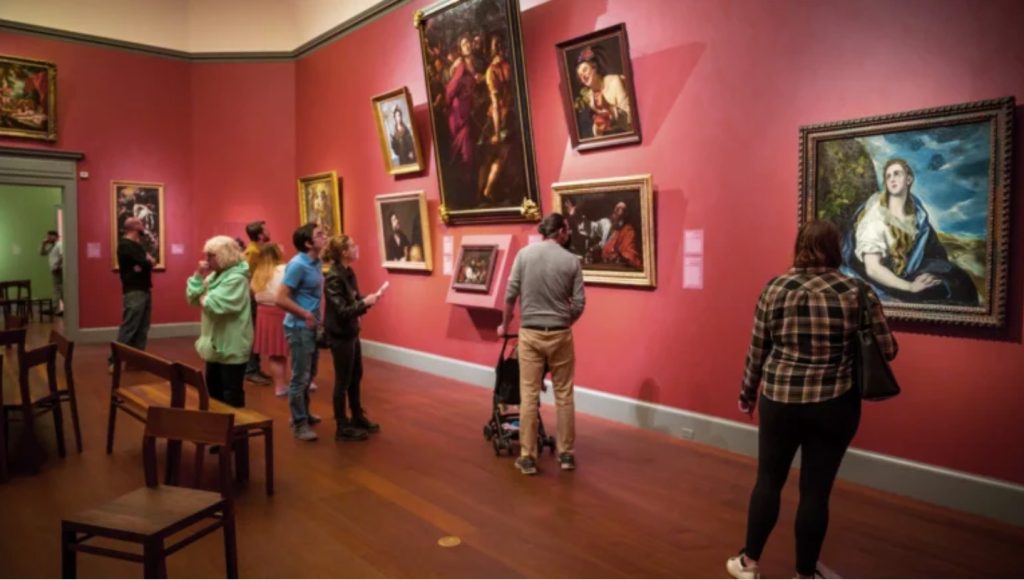
At the heart of Worcester’s cultural scene lies the Salisbury Cultural District, where a dozen historic and cultural institutions sit within a two-block radius of Lincoln Square. Anchored by the Worcester Art Museum, the American Antiquarian Society, and Tuckerman Hall — home to the Massachusetts Symphony Orchestra — this district is rich with artistic and musical heritage. Stroll through Institute Park and past Salisbury Pond, where concerts, outdoor installations, and public programs animate the seasons. After a day of gallery visits or a classical performance, the district’s dining scene invites you in with culinary offerings as diverse as the cultural network.
Marlborough Downtown Village Cultural District
Marlborough’s downtown, at the ‘crossroads of New England,’ is a place where historic architecture provides a compelling backdrop to contemporary community life with a small town skyline that has not changed in a century. Marlborough’s Cultural District highlights the city’s diverse cultural assets and ongoing creative momentum, from galleries and performance spaces to civic gatherings like festivals, markets, and car meets. Stroll the sidewalks where former industrial buildings now house shops and studios and pause for a bite at one of the many restaurants. Marlborough’s culinary offerings match the district’s welcoming spirit.
Maynard Cultural District
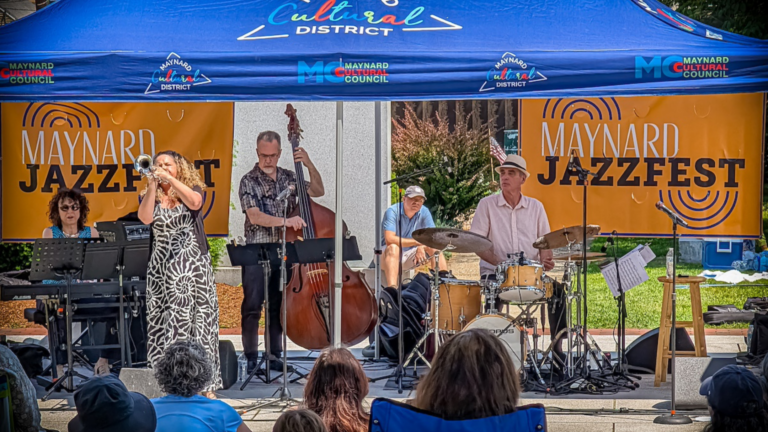
Maynard’s downtown along the Assabet River is a creative delight. The historic mill town has reinvented itself as a destination for artists, musicians, and festival-goers, with ArtSpace Maynard’s studios and galleries providing an open invitation to explore local creativity. Film buffs will appreciate Maynard Fine Arts Theatre, a restored 1950s cinema showing classics and indie favorites. Seasonal festivals — from Spring Artwalk to OARS Film Festival and Holiday Stroll — animate downtown with energy and community pride. Around every corner, local cafés, brewpubs, and restaurants offer everything from comfort classics to innovative small plates, making Maynard a destination for both delicious meals and culture within the downtown district and beyond.
Franklin Cultural District
Franklin’s Cultural District is full of energy and community spirit. With roots that include the nation’s first public library, the Franklin Sculpture Park, and Dean College Mainstage, the district is alive with performances, workshops, and events that appeal to all ages. Festivals, concerts, and locally curated exhibitions invigorate the downtown, while creative classes and community gatherings invite participation and connection. As you explore, stop in at local cafés for a morning pastry, enjoy lunch at a friendly diner, or savor dinner in a cozy neighborhood restaurant — each meal is a chance to connect with Franklin’s character and commitment to culture.
Framingham Centre Common Cultural District
At the heart of Framingham lies its historic Centre Common, where historic architecture stands alongside today’s vibrant cultural life. Don’t miss ‘Many Cultures, One Heart [WH3],’ a public art project that showcases the diversity – and heart – of the community. This district serves as a civic and social center, evolving from early town meeting houses into a thriving cluster of institutional, artistic, and community organizations. Anchors like Danforth Museum at Framingham State University and the Framingham History Center underscore the area’s cultural assets. The common itself is host to events like concerts and a local farmers market. Nearby, you’ll find a wide variety of dining and shopping experiences.
Natick Center Cultural District
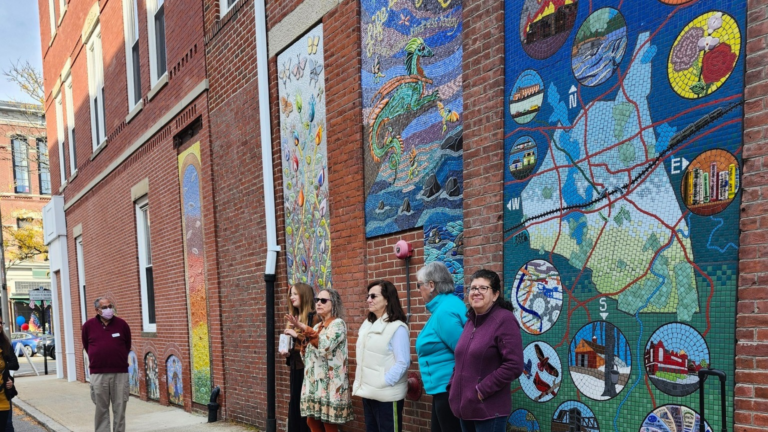
At the heart of MetroWest, Natick’s cultural district blends historic architecture with a robust calendar of performances, festivals, and community activities. The historic buildings that line the center provide a beautiful backdrop for year-round events like Natick Open Studios, Art Walk, and Main Street festivals. The Center for Arts in Natick (TCAN) and gatherings on the town common bring dozens of local artists and performers into the spotlight. Nearby cultural assets like the Morse Institute Library and Walnut Hill School for the Arts further elevate the district’s profile. After an afternoon of performances or gallery visits, enjoy shopping or dining in the cultural district.
Bedford Cultural District
The town of Bedford is known as a site of early American Revolutionary history — where the Bedford Flag was famously carried in battle. The Bedford Cultural District honors both the past and present. Beautifully preserved buildings and historic homes create a picture-perfect village context, while public art, reenactments, and community festivals connect residents and visitors to Bedford’s rich story. The Old Town Hall provides space for dance and performing arts. There is also a tradition of railroad culture that ties into the Minuteman Bikeway and a narrow gauge railroad. Complementing this heritage is a cluster of studios and creative small businesses that line the main streets. Throughout Bedford you’ll find delightful dining ranging from steakhouses to Indian Cuisine to local pubs.
West Concord Junction Cultural District
West Concord’s Cultural District invites visitors into a lively village center where history, arts, and daily life meet in perfect harmony. Once a bustling railroad junction, this walkable downtown offers stops at places like ArtScape Studios or the Wheelhouse Gardens in The Bradford Mill complex, the Concord Conservatory of Music, and the West Concord Dance Academy. Take a walking tour around the district. Check out historic locations and modern murals that intermingle with today’s locally owned shops, boutiques, and restaurants.
Concord Center Cultural District
Architecture, history, and literary heritage meet contemporary culture and crafts in Concord’s quintessential New England town center. The walkable streets link colonial landmarks with vibrant creative spaces, including The Umbrella Arts Center and The Concord Players, one of the nation’s oldest community theaters. Explore galleries, bookshops, and studios that offer discoveries at every turn. Enjoy brunch or lunch at a local café, classic New England fare at a tavern, or a warm baked good enjoyed on a shaded bench — it’s all part of the inviting center that Concord has nurtured for centuries.
Lexington Cultural District
Known as the “Birthplace of American Liberty,” Lexington’s history and cultural experiences are intertwined. At places like Lexington History Museums’ Buckman Tavern or the town’s Battle Green visitors can reflect back on April 19, 1775, then the first shots of the American Revolution were fired. Today, Lexington’s Cultural District expands upon those foundational stories with places like The Galaray House that bring art, culture, and community together or the Lexington Venue – one of the last remaining small-town movie theatres in the area. Visitors can shop in the historic downtown, walk to murals and historic markers, and take a guided tour. At the end of the exploration, relax in a local coffee shop or grab a meal at local restaurant.
Winchester Cultural District
Winchester’s Cultural District combines historic New England charm with a flourishing creative scene. The district is made up of three unique downtown zones and four satellite destinations – each with art, culture, history, and small, local businesses that add to the vibrance of this town. The Village with hosts the in-season Winchester Farmers Market, Rubinart Studio and Gallery, and Reno Garden. The Viaduct Lane is home to the Griffin Museum of Photography, Book Ends, and Studio on the Common. The Riverwalk is home to town buildings like the Winchester Public Library and Town Hall Auditorium. You’ll also find the Winchester School of Chinese Culture and seasonal art installations. It’s also a place that invites you to sit, relax, and take in the nature around you – a true surprise for a Boston suburb. In Winchester, you’ll find places for breakfast, lunch, dinner and treats in between – a perfect way to start or end a day of cultural exploration.
Each Central and MetroWest Cultural District is a distinct chapter in Massachusetts’ broader cultural story—where history lives alongside innovation, creativity blooms in downtown commons and village centers, and meals shared with neighbors feel like celebrations of place. From historic Main Streets and Revolutionary sites to artist studios and performance venues, this region invites you to explore, connect, and experience the rich cultural fabric that makes these communities shine.
This is part five in a series about Cultural Districts in Massachusetts.
MOTT resources to find events and plan your trip: